By Phillip Ogbonna
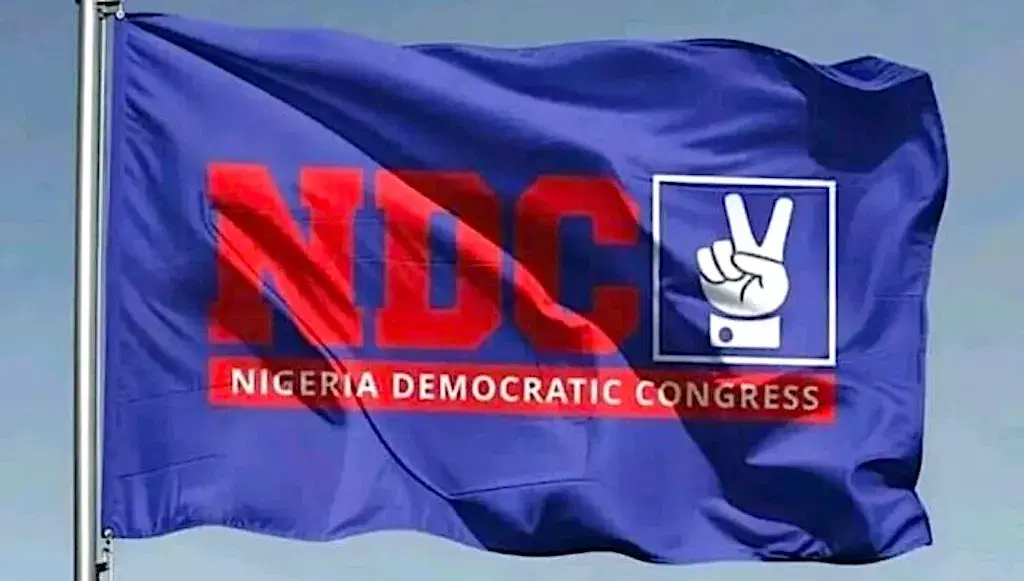
As Nigeria gradually moves toward the 2027 general elections, political parties are expected to strengthen their internal structures, inspire confidence among their members, and present themselves as credible alternatives to the electorate. In Abia State, however, concerns are beginning to emerge within the Nigeria Democratic Congress (NDC), prompting important discussions about fairness, inclusiveness, internal democracy, and the party’s electoral strategy.
Across various parts of the state, conversations among party members have increasingly focused on whether recent decisions concerning the allocation of party tickets reflect the principles of equity, justice, and balanced representation that many believe should guide a growing political movement. While every political party has the right to nominate candidates it considers best positioned to win elections, many stakeholders maintain that the selection process should also foster unity and ensure that all communities feel fairly represented.
One issue receiving considerable attention is the situation in the Abia North Senatorial District, particularly within the Arochukwu axis. According to concerns raised by some party members, both the House of Representatives ticket and the Abia State House of Assembly ticket were reportedly allocated to aspirants from Atani community in Arochukwu. Critics argue that this decision overlooked the aspirant who reportedly emerged victorious in the NDC primary election for the Arochukwu State Constituency and is from Ututu, a clan that, according to supporters, has never produced a member of the Abia State House of Assembly and is widely believed to be due for the opportunity under the principle of political rotation. Although party leaders may have had reasons for their decisions, critics contend that such an arrangement could create perceptions of exclusion among other communities that have equally invested their time, resources, and commitment in building the party.
For many political observers, candidate selection goes beyond choosing individuals for elective office. It is also about managing diversity, promoting inclusiveness, and strengthening public confidence in the party’s internal democratic processes. When committed members begin to question whether fairness and equity have been adequately considered, party leaders have a responsibility to engage with those concerns openly and transparently.
Several stakeholders argue that concentrating key elective positions within a single community may unintentionally weaken the sense of belonging among supporters from other villages and wards. They warn that members who feel marginalized may become less motivated during campaigns, potentially reducing the grassroots support that often determines the outcome of closely contested elections. Political success is rarely achieved through individual popularity alone; it is built on collective effort, shared ownership, and the confidence that every stakeholder has a meaningful place within the party.
These concerns are reportedly not limited to Arochukwu alone. Similar questions surrounding zoning, political balance, and candidate selection have allegedly emerged in other parts of Abia State. Many party members believe that addressing these issues proactively would strengthen, rather than weaken, the NDC. They point to dialogue, transparency, and genuine reconciliation as proven approaches that have enabled political parties to overcome internal disagreements ahead of major elections.
Those advocating for a review insist that their position should not be interpreted as opposition to the party. Rather, they describe their concerns as a constructive appeal for reforms that would make the NDC more united, inclusive, and electorally competitive. They argue that overlooking widely accepted and popular aspirants could diminish the party’s appeal in communities where local acceptance and grassroots support are essential to electoral success. The questions being raised by many members are straightforward yet significant. Is the NDC making decisions that maximize its chances of electoral success across Abia State? Has sufficient consideration been given to equity, inclusiveness, political acceptability, and long-term electoral strategy? Most importantly, can the party reassure its members that every aspirant received fair and equal consideration throughout the nomination process?
These are legitimate questions that deserve thoughtful and transparent responses. Successful political parties understand that unity cannot simply be demanded; it must be built through fairness, accountability, transparency, and mutual respect. Members who dedicate their time, resources, and commitment to building a political platform naturally expect decisions that reflect the collective interest rather than the interests of a select few.
As preparations for the 2027 elections gather momentum, many loyal party faithful believe this is the appropriate time for both the national and state leadership of the Nigeria Democratic Congress to engage members openly, clarify the rationale behind key decisions, and reassure stakeholders that the party remains committed to justice, equity, inclusiveness, and internal democracy. Such engagement could help restore confidence, ease tensions, and reinforce the unity required to effectively compete in the forthcoming elections.
Ultimately, elections are won not only through campaign promises but also through the level of confidence, cohesion, and trust that exists within a political party. How the Nigeria Democratic Congress responds to these growing concerns in Abia State may ultimately determine whether it enters the 2027 general elections as a united political force capable of inspiring voters or as a party still grappling with avoidable internal divisions.